
What Is a Rooftop Unit (RTU)? A Guide for Commercial Building Owners
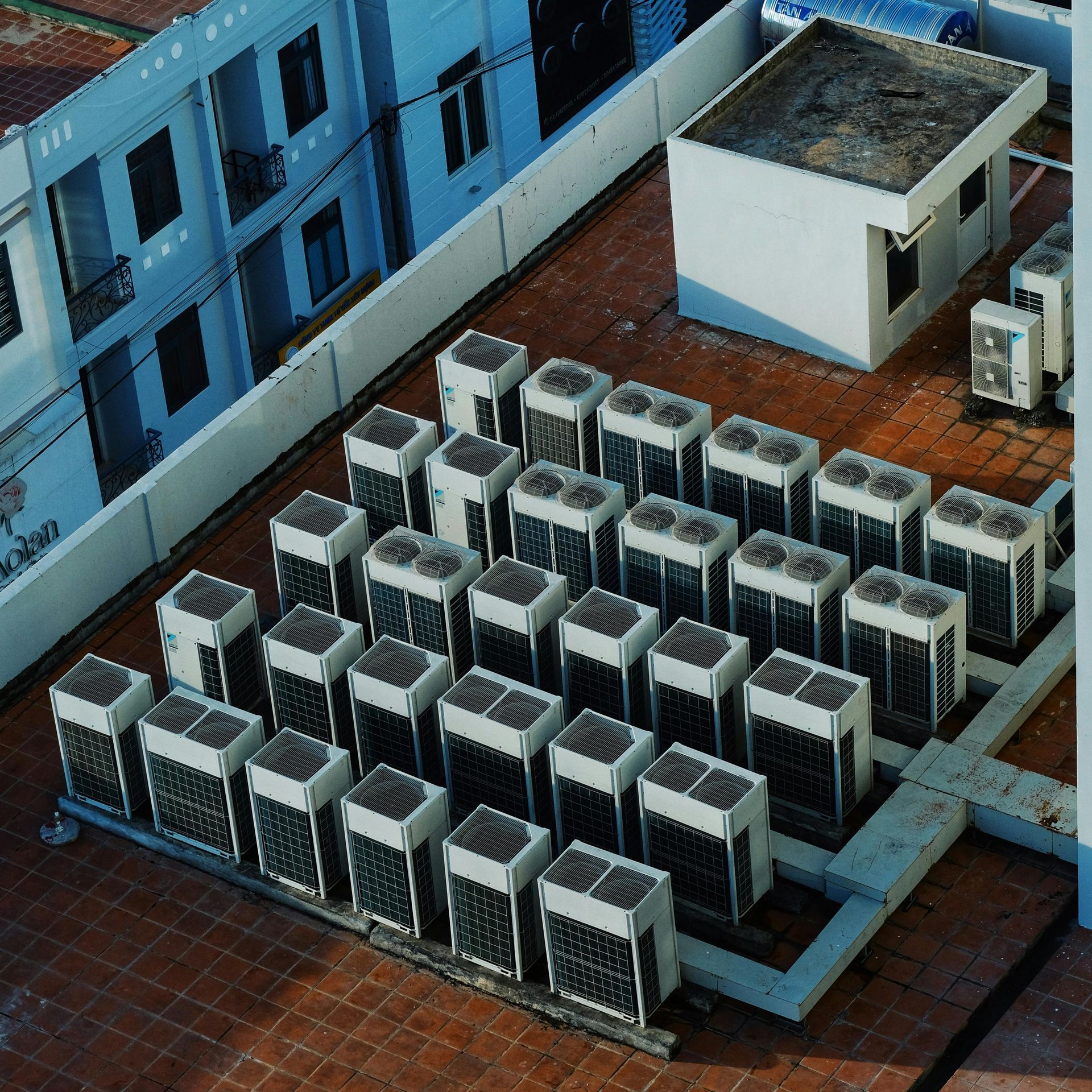
A rooftop unit (RTU) is a self-contained HVAC system, meaning all heating, cooling, and air distribution components are packaged inside a single cabinet mounted on a building's roof. RTU HVAC systems are the standard choice for commercial buildings in the Fort Worth and Parker County area. CB Air Conditioning and Heating services and installs commercial RTUs across North Texas for business owners who need reliable, efficient climate control.
When a North Texas summer pushes ambient temperatures past 100°F, the rooftop surface underneath a commercial unit can reach extreme temperatures well above ambient air. That's the environment your RTU is operating in for five straight months every year. Parker County business owners managing strip mall bays, office buildings, and light industrial spaces deal with a heat load that residential HVAC engineers rarely account for—and it's exactly why understanding your RTU matters before something goes wrong.
How an RTU HVAC System Works
Most commercial building owners interact with their RTU through a thermostat, but understanding what's inside the cabinet helps you make smarter decisions about maintenance and replacement.
An RTU integrates several components that a residential split system keeps in two separate locations:
- Compressor: pressurizes refrigerant to transfer heat out of the building
- Condenser coil: releases captured heat into the outdoor air
- Evaporator coil: absorbs heat from the return air inside the building
- Air handler and blower: moves conditioned air through the ductwork
- Heat exchanger or heat strips: provides heating in winter
All of this sits in a single weatherproof cabinet on the roof. Conditioned air is delivered down through the roof deck into the building's duct system, and return air travels back the same way. The self-contained design means no refrigerant lines running through your walls and no separate outdoor condenser sitting on a concrete pad.
RTU vs. Split System: Which One Makes Sense for Your Building?
Choosing between an RTU and a split system comes down to building type, roof access, and how your mechanical space is configured.
RTUs are the dominant choice for commercial buildings in the Fort Worth area for a few practical reasons. They free up ground-level space around the building's perimeter, simplify multi-zone installations, and are easier for technicians to service since they don't need to enter occupied spaces. A single rooftop access point covers everything. That matters when a strip mall tenant needs a repair during business hours.
Split systems make more sense in buildings where roof penetrations are restricted, such as historic structures or buildings with membrane roofing that has warranty implications. They're also the right call for smaller commercial spaces under 2,000 square feet where a residential-grade split system is appropriately sized.
For most standalone commercial buildings in Parker County (retail, medical offices, light industrial) an RTU installation is the faster, more serviceable solution.
How Long Does a Commercial RTU Last in North Texas?
Lifespan is one of the most common questions commercial building owners ask. The honest answer is: it depends heavily on maintenance and your specific operating conditions.
According to ASHRAE (the American Society of Heating, Refrigerating and Air-Conditioning Engineers), commercial RTUs have a median service life of 15 years. In North Texas, units running near capacity from May through October tend to fall toward the lower end of that range without consistent preventive maintenance. We've seen well-maintained RTUs in Weatherford and the surrounding area run 18 to 20 years without major component failure—and neglected units that needed full replacement at year 10.
The factors that shorten RTU lifespan fastest in this climate are:
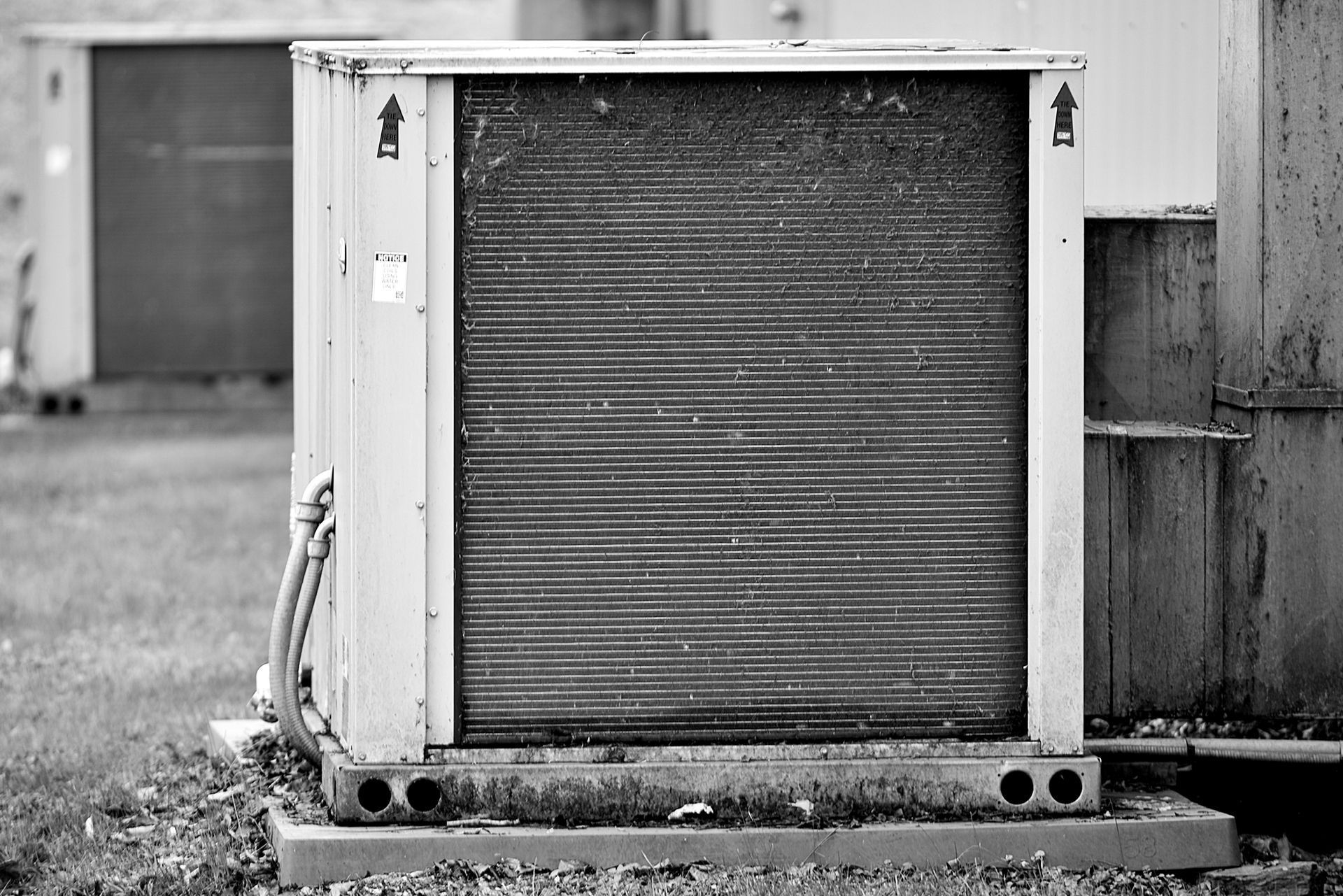
- Dirty condenser coils: reduced heat rejection makes the compressor work harder
- Clogged filters: restricted airflow causes freeze-up and motor strain
- Deferred belt or bearing replacements
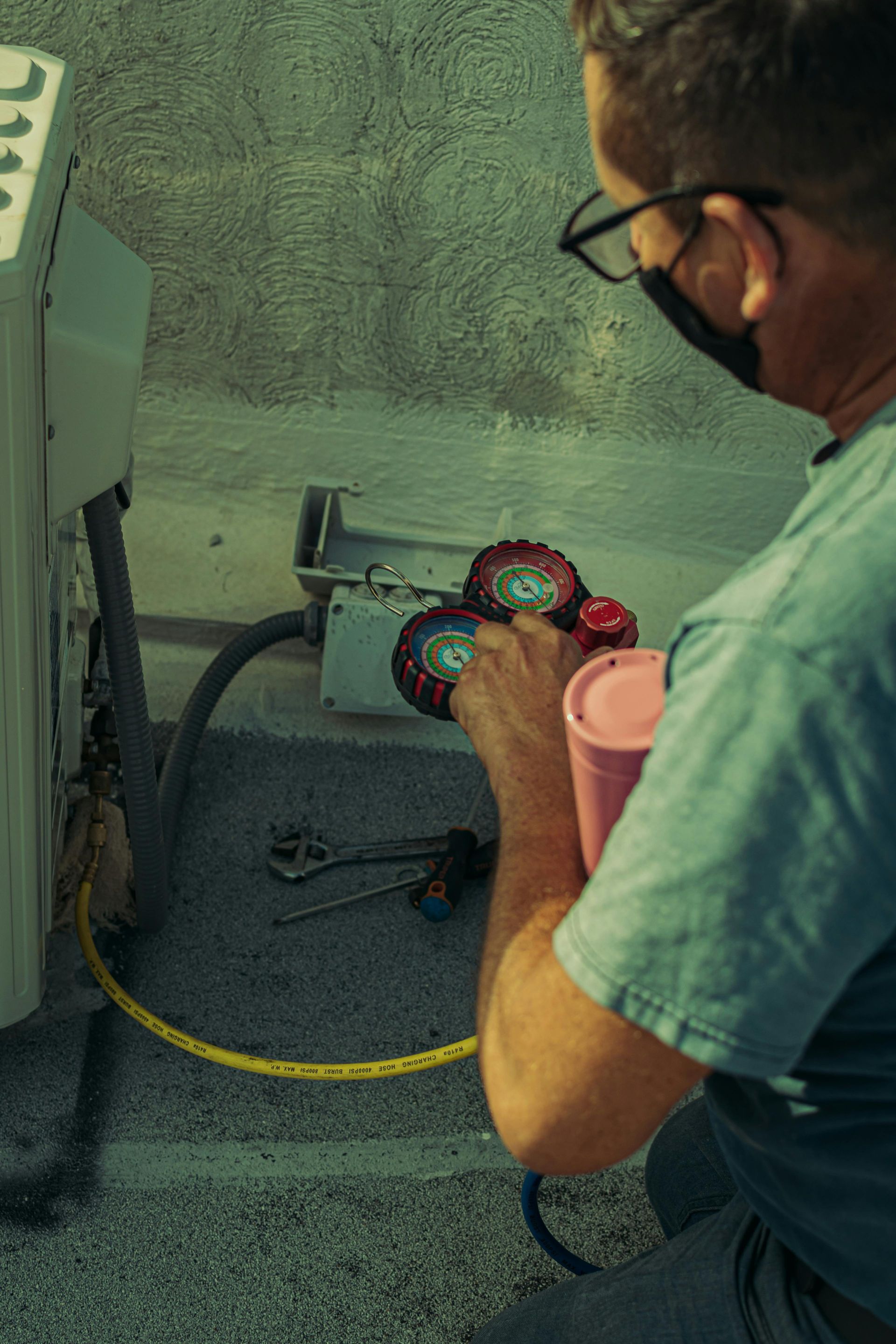
A twice-yearly maintenance visit (once before cooling season and once before heating season) addresses all of these before they become compressor-level problems.
Signs Your RTU Needs Service or Replacement
North Texas commercial building owners serving Fort Worth and the surrounding area should watch for a few specific warning signs.
Uneven Temperatures Across Zones
If one side of your building is comfortable and the other isn't, the RTU may be losing capacity rather than the ductwork causing the problem. Rising energy bills without a change in occupancy or thermostat settings also signal declining efficiency, often from a refrigerant leak or failing compressor.
Unusual Sounds
Grinding, squealing, or rattling from the rooftop unit point to mechanical wear that gets expensive if ignored.
When commercial AC repair calls start happening two or three times per season, it's worth having a technician evaluate whether the cumulative repair cost is approaching replacement value.
The repair-vs-replace threshold most HVAC contractors use is if the repair cost exceeds 50% of the unit's replacement cost and the system is more than 10 years old, replacement is typically the better financial decision.
Frequently Asked Questions
What does RTU stand for in HVAC?
RTU stands for rooftop unit. In commercial HVAC, an RTU is a packaged system that houses all heating and cooling components—compressor, condenser, evaporator, and air handler—in a single cabinet installed on a building's roof. RTU HVAC systems are standard in retail, office, and light industrial buildings.
How often should a commercial RTU be serviced?
A commercial RTU should be serviced at minimum twice per year: once in spring before cooling season begins and once in fall before heating season. In North Texas, where cooling loads are high from May through October, some building owners opt for a mid-summer inspection as well, particularly on units older than 10 years.
Can CB AC and Heat service commercial RTU systems?
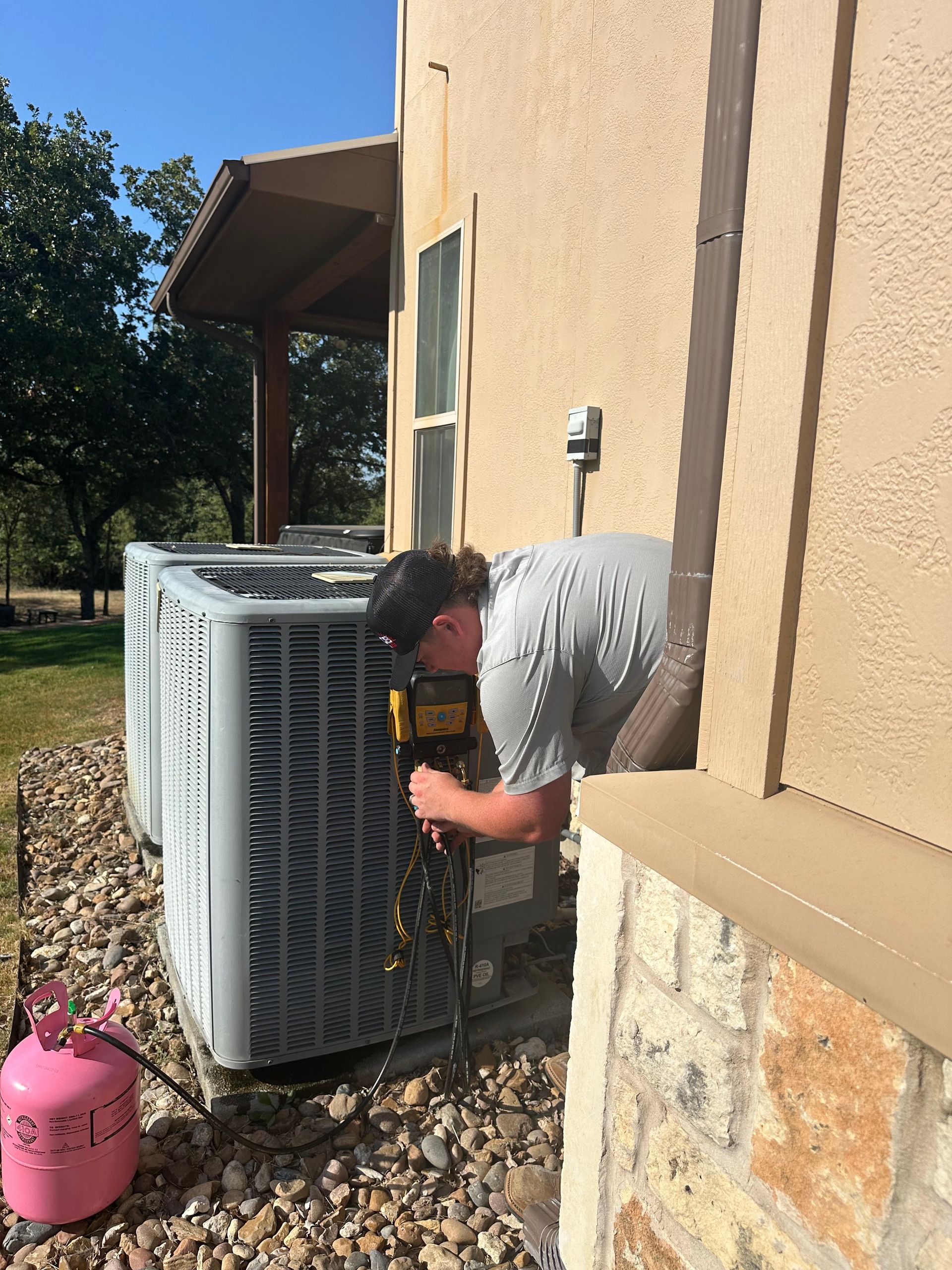
Yes, CB Air Conditioning and Heating services and installs commercial RTU systems throughout Parker County and the greater Fort Worth area. The team handles everything from preventive maintenance and refrigerant checks to full unit replacement with upfront pricing before any work begins. Book a commercial service call online or call (817) 341-9505 .
Get Expert Eyes on Your Commercial RTU
RTU HVAC systems are built for the demands of commercial buildings, but North Texas heat puts them through more stress per season than most climates. Regular service extends their life significantly, and catching problems early keeps small repairs from turning into compressor replacements.
CB AC and Heat works with commercial building owners across Parker County and the Fort Worth area. If your unit is showing warning signs or it's been more than a year since your last service visit, call (817) 341-9505 or book a schedule online. We'll tell you exactly what your system needs and what it costs before we touch anything.