
Ice Build-up on Heat Pump? When to Call a Professional
Heat pumps are an incredibly efficient way to both heat and cool your Weatherford home, but seeing your outdoor unit covered in ice can be alarming. While a light layer of frost is normal during the winter, excessive ice build-up is a sign that something is wrong. Understanding the difference between normal operation and a serious problem is key to protecting your investment and ensuring your home stays warm. Heat pumps are a versatile solution for both Heating and Cooling, but they require specific care in cold weather.
Normal Frost vs. Problematic Ice
A heat pump works by extracting heat from the outside air, even when temperatures are near freezing. This process naturally causes moisture in the air to condense and freeze on the outdoor coil, leading to frost.
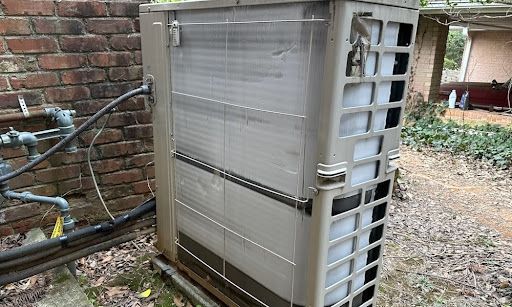
- Normal Operation (Defrost Cycle): Heat pumps are designed to handle this frost. They have a built-in defrost cycle that automatically reverses the flow of refrigerant for a short period, melting the frost off the coil. You may see steam rising from the unit during this time, which is normal. The unit may also make a whooshing sound as the cycle reverses.
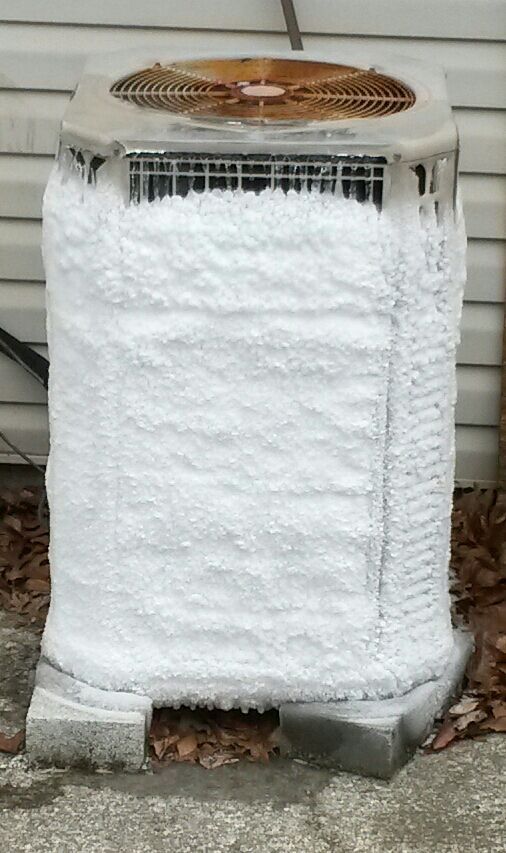
- Problematic Ice: If the ice is thick, covers the entire unit (including the fan and the bottom base), or persists for more than a few hours after the defrost cycle should have run, you have a problem that requires professional attention. This excessive ice severely restricts airflow, causing the unit to lose efficiency and potentially leading to a system breakdown.
Causes of Excessive Ice Build-up
When your heat pump is struggling to defrost, it is usually due to one of three main issues:
1. Airflow Restriction
The heat pump needs to move air freely to operate and defrost properly.
- Dirty Air Filter: A clogged filter restricts airflow to the indoor unit, which reduces the heat available for the defrost cycle. Regular Air Conditioning Maintenance or Heating Maintenance is crucial. A clean filter ensures the system can operate at its peak efficiency.
- Blocked Outdoor Unit: Snow, leaves, or debris piled up around the outdoor unit can block airflow. Ensure there are at least two feet of clearance around the unit at all times. Never allow snow to pile up around the base of the unit.
- Poor Drainage: If the condensate drain at the bottom of the unit is clogged, the water from the defrost cycle can refreeze, creating a thick layer of ice at the base. This can quickly spread to the coils.
2. Low Refrigerant Levels
Low refrigerant is one of the most common causes of icing.
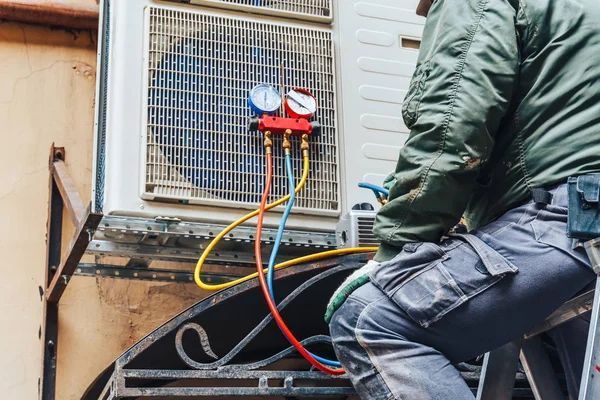
- Refrigerant Leak: If the refrigerant level is low, the pressure inside the coil drops too far, causing the coil temperature to fall below freezing even when the outside air is above freezing. This leads to rapid and excessive ice formation. A refrigerant leak requires a professional Heat Pump Repair and Replacement technician to locate and fix the leak, and then recharge the system. This is a serious issue that should only be handled by a certified technician.
- Thermostat Malfunction: If the thermostat is set too low or if it is malfunctioning, it may cause the unit to run constantly, which can contribute to icing. Ensure your thermostat is functioning correctly.
3. Mechanical or Electrical Failure
The defrost cycle itself may be failing.
- Faulty Defrost Board: The electronic control board that initiates the defrost cycle may be malfunctioning.
- Defective Sensor: A sensor that monitors the coil temperature may be broken, preventing the system from knowing when to start or stop the defrost cycle. These are complex electrical issues that require a professional for diagnosis and Heating Repair.
What to Do When Your Heat Pump is Iced Over
If you see excessive ice, do not try to chip it off with a sharp object, as you could damage the delicate coils.
- Turn Off the Unit: Switch the unit off at the thermostat and the outdoor disconnect switch.
- Use Warm Water: Gently pour warm (not hot) water over the coils to melt the ice.
- Call a Professional: Once the ice is melted, turn the unit back on. If it ices up again quickly, call a professional for a full system diagnosis and Heating Repair.
Ignoring persistent ice build-up can lead to compressor failure, which often necessitates a full Heating Installation or Air Conditioning Installation. For reliable service on your air conditioning system or heat pump,
trust us at CB Air Conditioning and Heating.
In Summary
While a little frost on your heat pump is normal, excessive ice build-up is a clear sign of a problem that needs immediate attention. Whether the cause is a simple blocked airflow or a complex refrigerant leak, addressing the issue quickly is vital to prevent permanent damage to your system. For Weatherford homeowners, a heat pump is a valuable, year-round asset, and protecting it with prompt professional service is the best way to ensure reliable, efficient comfort.
Seeing ice on your heat pump? Contact us today for emergency heat pump repair and diagnosis.