
Air Conditioner Smells Like Chlorine? Here’s What It Means
As a homeowner in Weatherford, TX, you rely on your air conditioning system to keep your indoor environment comfortable, especially during our hot Texas summers. But what if your AC starts emitting a strange, chemical smell, perhaps something akin to chlorine or a swimming pool? This isn't just an unpleasant odor; it's a potential warning sign that demands immediate attention.
At CB Air Conditioning and Heating, we've seen and resolved countless AC issues over our 20+ years of service, and a chlorine-like smell is one we take very seriously. Ignoring it could lead to more significant problems, from system damage to health risks.
The Source of the Chlorine-Like Smell
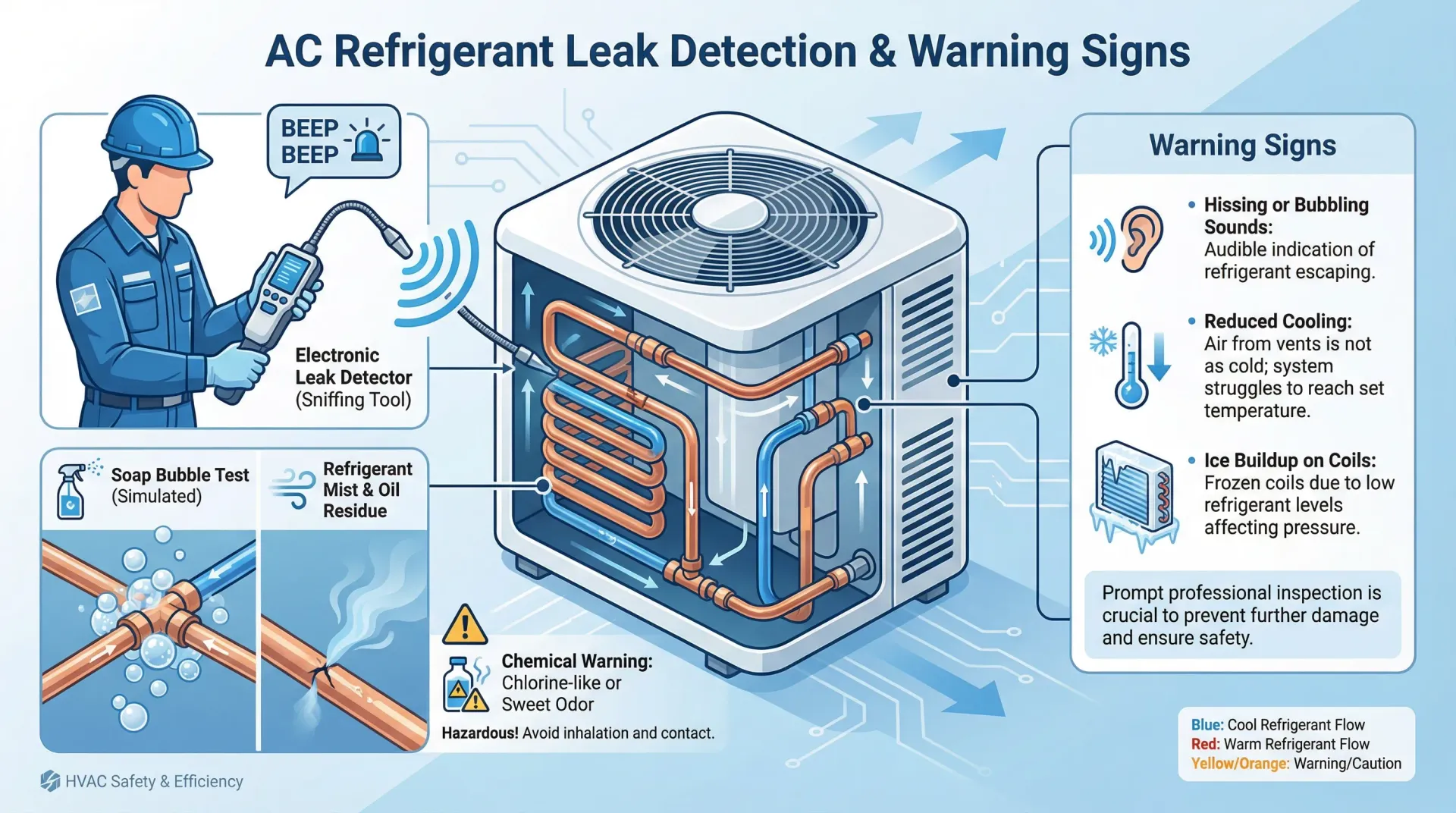
When your air conditioner smells like chlorine, it typically points to one of a few critical issues.
Refrigerant Leak
The most common culprit is a refrigerant leak. Refrigerants, while essential for your AC's cooling cycle, are chemical compounds. When they leak, they can emit a distinct chemical odor that some people describe as resembling chlorine or a sweet, chloroform-like scent. Modern refrigerants like R-410A are designed to be safer than older types, but any leak is still a concern for both your system's performance and your indoor air quality.
Electrical Issues
Another less common but equally serious cause could be an electrical issue. An ozone-like smell, sometimes mistaken for chlorine, may indicate overheated electrical components or a small electrical fire within the unit. This is a significant safety hazard and requires immediate professional assessment.
Mold or Bacterial Growth
In rare cases, a strong, pungent odor may indicate mold or bacterial growth in damp areas of your AC system, though it typically smells musty or like a dirty sockrather than chlorine. However, it's always worth considering all possibilities.
The Dangers of a Refrigerant Leak
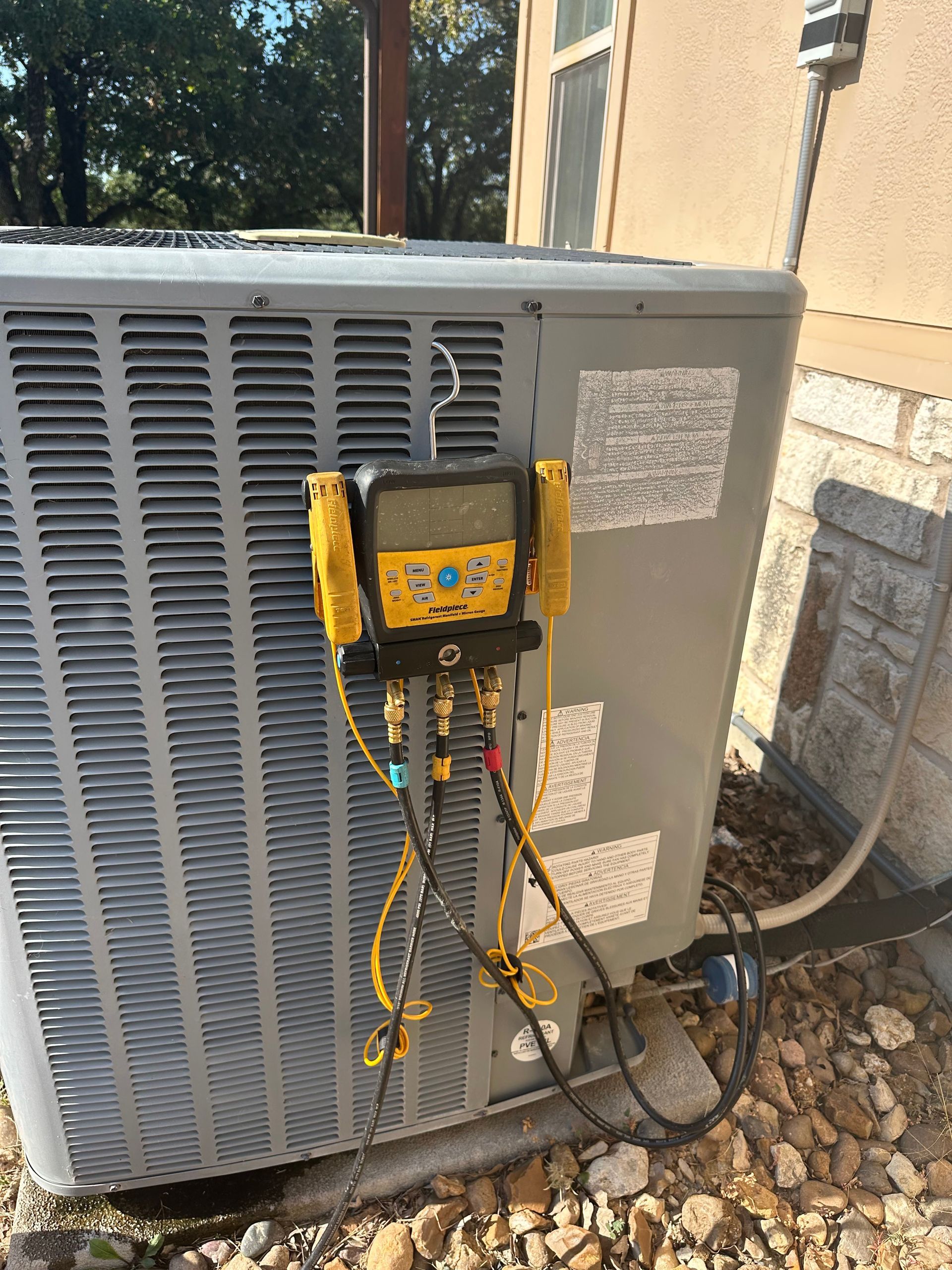
A refrigerant leak is more than just an inconvenience; it poses several risks:
- Environmental Impact: Refrigerants are potent greenhouse gases. Leaking them into the atmosphere contributes to climate change.
- System Damage: A low refrigerant level forces your AC to work harder, reducing efficiency, increasing energy bills, and potentially leading to compressor failure, a costly repair. You might notice your AC isn't cooling as effectively as it used to, or it's running constantly without reaching the set temperature. Learn more about how air conditioning works to understand the role of refrigerant.
- Health Concerns: While modern refrigerants are less toxic than older versions, prolonged exposure to leaked refrigerant can cause symptoms like dizziness, nausea, headaches, and respiratory irritation. In poorly ventilated spaces, high concentrations can even displace oxygen, leading to more severe health effects. This is particularly concerning in tightly sealed Weatherford homes.
What to Do When You Detect a Chlorine Smell
Your safety and the longevity of your HVAC system are paramount. If you detect a chlorine-like smell from your AC, follow these steps immediately:
- Turn Off Your AC: Switch off your thermostat and the circuit breaker connected to your outdoor unit. This prevents further operation and potential damage or hazards.
- Ventilate Your Home: Open windows and doors to air it out, especially if the odor is strong. This helps dissipate any leaked refrigerant or fumes.
- Evacuate if Necessary: If the smell is overwhelming or you experience symptoms such as dizziness, evacuate your home and call emergency services from a safe distance.
- Call the Professionals: Do NOT attempt to diagnose or fix a refrigerant leak yourself. This requires specialized tools and training. Contact CB Air Conditioning and Heating immediately. Our NATE-certified technicians are equipped to safely detect and repair refrigerant leaks, ensuring your system is recharged correctly and operating safely. We offer 24/7 emergency service for situations like these.
Why Professional Diagnosis is Crucial
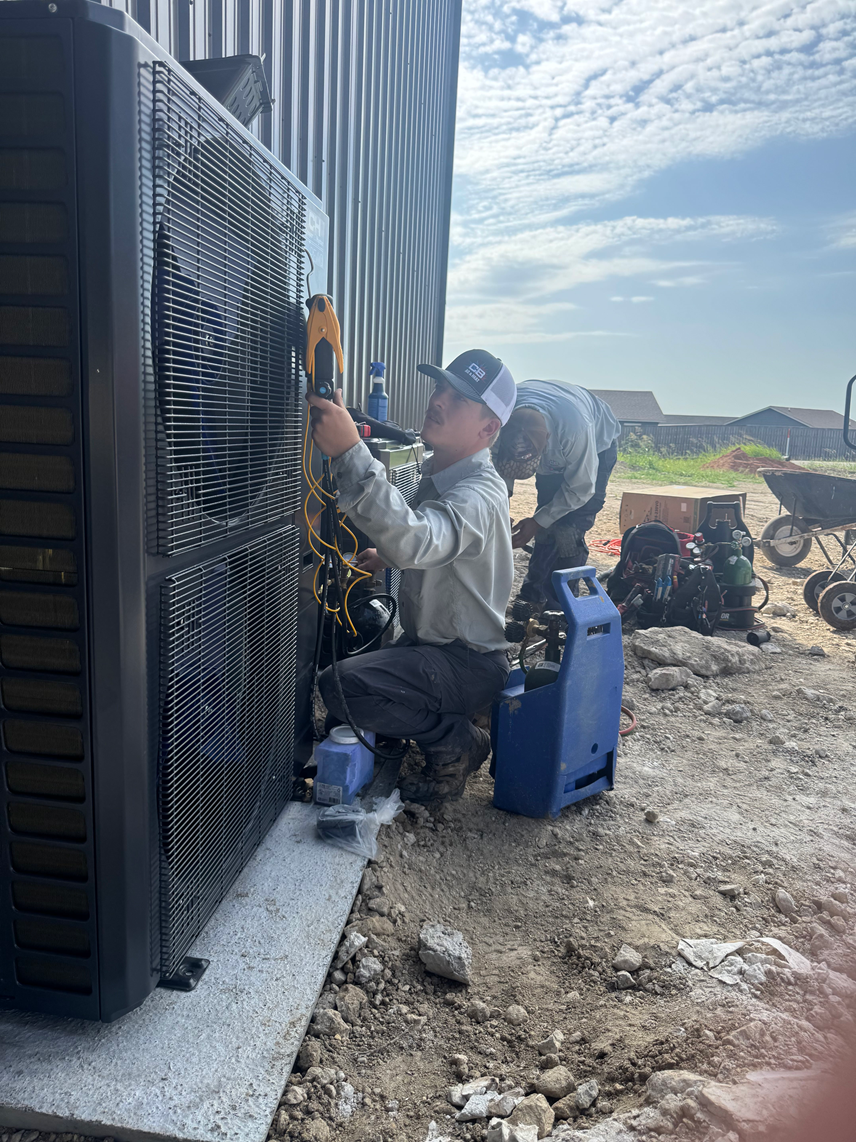
Accurately diagnosing a chlorine-like smell requires expertise. Our technicians at CB Air Conditioning and Heating will perform a thorough inspection, which includes:
- Leak Detection: Using electronic leak detectors to pinpoint the exact source of the refrigerant leak.
- System Pressure Checks: Verifying refrigerant levels and system pressures.
- Electrical Inspection: Checking all electrical components for signs of overheating or damage.
- Coil and Drain Pan Inspection: Looking for mold or mildew growth that might contribute to odors.
Once the issue is identified, we'll provide a clear explanation and recommend the best course of action, whether it's a simple repair, a refrigerant recharge, or a more extensive
AC repair. We'll also discuss preventative measures, such as regular
AC maintenance, to avoid future problems. You can also learn more about
how often you should get your HVAC serviced.
The Bottomline
A chlorine-like smell from your air conditioner is a serious indicator that something is wrong. It often points to a refrigerant leak or an electrical issue, both of which require immediate professional attention. Don't put your family's safety or your HVAC system's health at risk by ignoring these warning signs.
At CB Air Conditioning and Heating, we're dedicated to providing prompt, reliable, and expert HVAC services to the Weatherford, TX community. Our experienced technicians are ready to diagnose and resolve any AC issues, ensuring your home remains safe and comfortable.
Don't wait for a small problem to become a major emergency. If you detect a chlorine smell, contact CB Air Conditioning and Heating immediately for expert diagnosis and repair. Call us 24/7 at (817) 341-9505 or
book an appointment online.