
How Long Does a Heat Pump Last?
How long do heat pumps last? Most heat pumps last between 10 and 15 years, with well-maintained systems sometimes reaching 20. In North Texas, where heat pumps work through long summers and unpredictable winters, CB Air Conditioning and Heating typically sees systems reach the 12- to 15-year mark before replacement becomes the smarter call.
Ten years ago, the heat pump outside a Keller home was running fine—minimal wear, no complaints. Last fall, it was short-cycling through every cold snap, pulling two to three times the electricity to hold 68 degrees. Same unit, same house. A decade of Parker County summers had slowly worn the system down. That gap between "still working" and "working well" is exactly where most replacement decisions live.
What Does the Industry Say About the Lifespan of Heat Pumps?
The Department of Energy cites 15 years as the standard lifespan for residential air-source heat pumps, though systems with heavy use or deferred maintenance often fall short of that mark. Those figures assume a climate where the heat pump isn't the primary workhorse year-round.
Here in North Texas, the reality is a little different. Parker County homeowners get brutal summers with weeks above 95°F and winter cold snaps that push heat pumps into emergency heat mode several times a season. That dual-season demand accumulates real operating hours. A system in Weatherford or Springtown likely burns through the equivalent of a cooler-climate system's 15-year workload in 10 to 12 years.
What Shortens a Heat Pump's Life in North Texas
Most early failures come down to a few controllable factors.
Skipping Maintenance
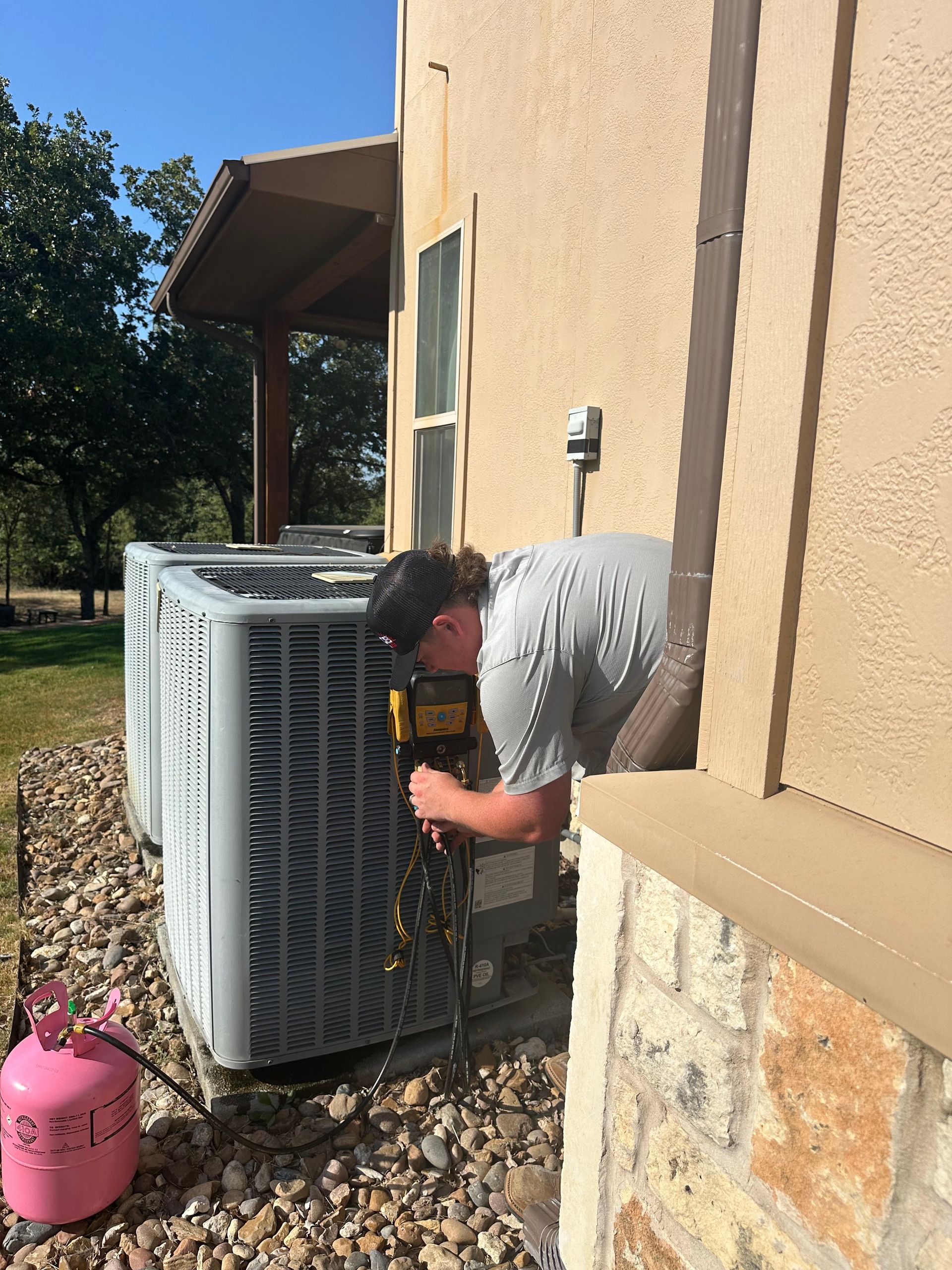
Heat pumps need professional tune-ups at least once a year, ideally twice for systems handling both heating and cooling. When that slips, the compressor (the costliest component to replace) works harder than it should. Compressor failure before year 10 is often traceable to deferred service. Staying current on heat pump maintenance is what separates a 12-year system from a 15-year one.
Sizing Errors
An oversized heat pump short-cycles (turns on and off too frequently), grinding down components faster than rated. An undersized one runs nearly continuously in peak heat. Either way, the system ages faster than manufacturers specify.
Ice Buildup
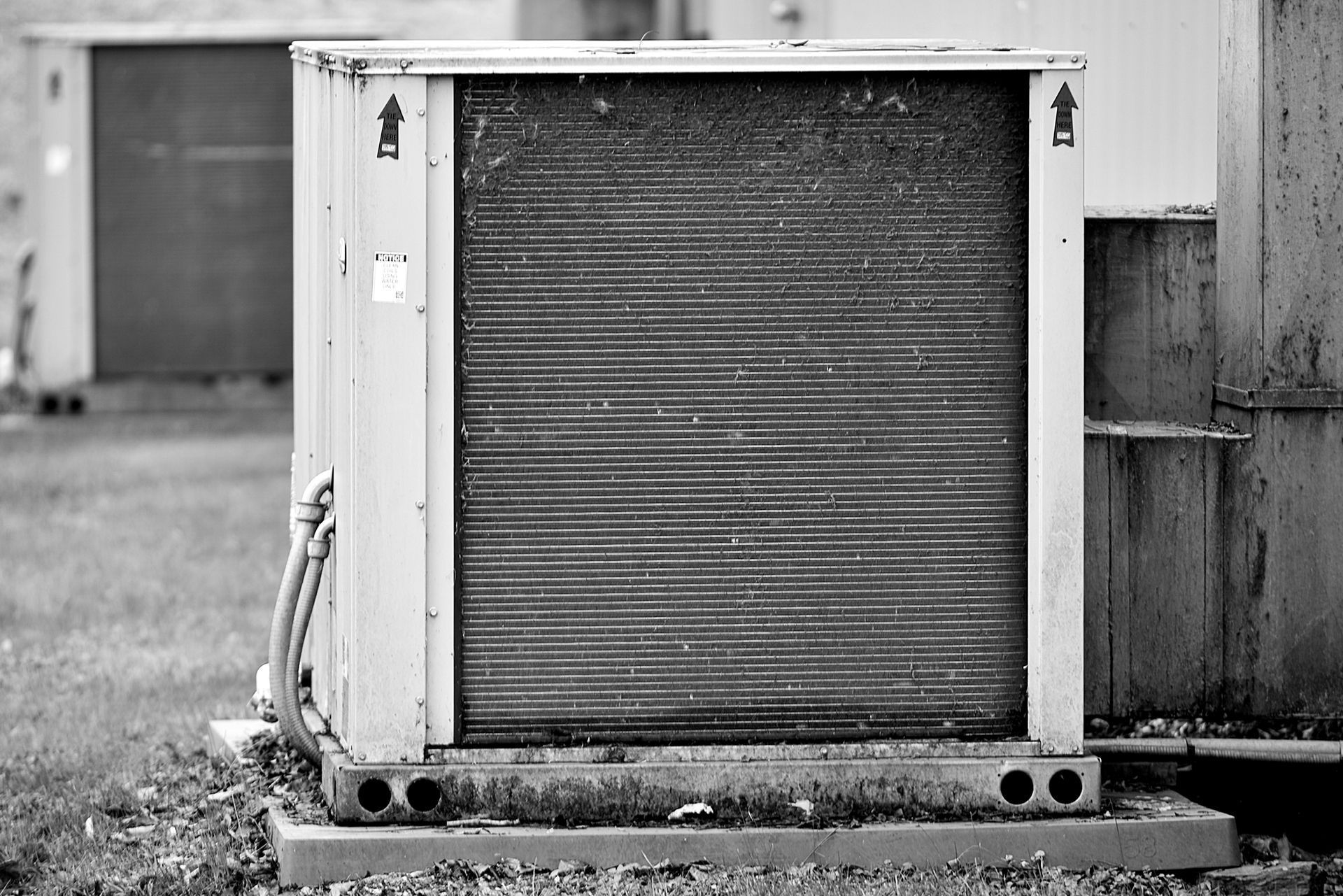
Fast temperature drops with lingering humidity cause outdoor coils to ice over. The built-in defrost cycle handles this automatically, but if a sensor fails, unchecked ice buildup on a heat pump can damage the coil or fan blades and shorten the lifespan.
Is Your Heat Pump About to Fail?
Heat pumps rarely fail overnight. The decline shows up in patterns over one or two seasons:
- Utility bills rising without a change in usage
- Short cycling — the system turns on and off every few minutes
- Uneven temperatures room to room
- More frequent emergency heat mode than usual
- Grinding, squealing, or banging from the outdoor unit
In a system under 10 years old, one of these usually calls for a repair. In a system past 12 years, two or more together often means repairs are approaching replacement value, a conversation worth having before the next breakdown forces it.
How Maintenance Protects Your Investment
A clean coil exchanges heat more efficiently and cuts run time. A properly charged refrigerant circuit keeps compressor strain low. Tight electrical connections prevent small faults from cascading. These variables are the ones technicians check on a routine visit.
CB AC and Heat serves Parker County homeowners across Weatherford, Fort Worth, Keller, and the surrounding North Texas communities. When it's time to consider repair versus replacement, the unit’s maintenance history gives technicians clear data to work with. If you suspect that your heat pump may be failing, a heat pump service call can help you determine exactly what you're dealing with.
Frequently Asked Questions
Is 10 Years Too Soon to Replace a Heat Pump?
Not necessarily. A 10-year-old system with compressor trouble or multiple failing components may cost more to fix than its remaining lifespan justifies. If a single repair exceeds half the cost of a replacement, a new system usually wins on total cost over the next several years.
Does a Heat Pump Last Longer Than a Furnace or Central AC?
Heat pumps typically have shorter lifespans than furnaces or standalone AC units. Furnaces often last 15 to 20 years; central AC units generally fall in a similar range to heat pumps. Heat pumps run year-round for both heating and cooling, accumulating more total hours. In North Texas, all three systems face heavy seasonal demand, so the gap narrows.
How Do I Know Whether My Heat Pump Needs Repair or Replacement?
CB Air Conditioning and Heating recommends evaluating your heat pump’s age, repair history, and current efficiency together. Systems under 10 years generally justify repair. When it’s past 12 years and exhibits recurring issues, replacement typically costs less long term. A licensed technician can benchmark current performance against the system's original rated output and give you a clear answer.
When Your Heat Pump Needs a Second Opinion
An aging heat pump that's still running isn't always a heat pump worth keeping. CB AC and Heat provides honest assessments with upfront pricing before any work begins—no pressure, no guessing.
Call (817) 341-9505 or book an appointment online. We're available 24/7 across Weatherford, Parker County, and the greater Fort Worth area.