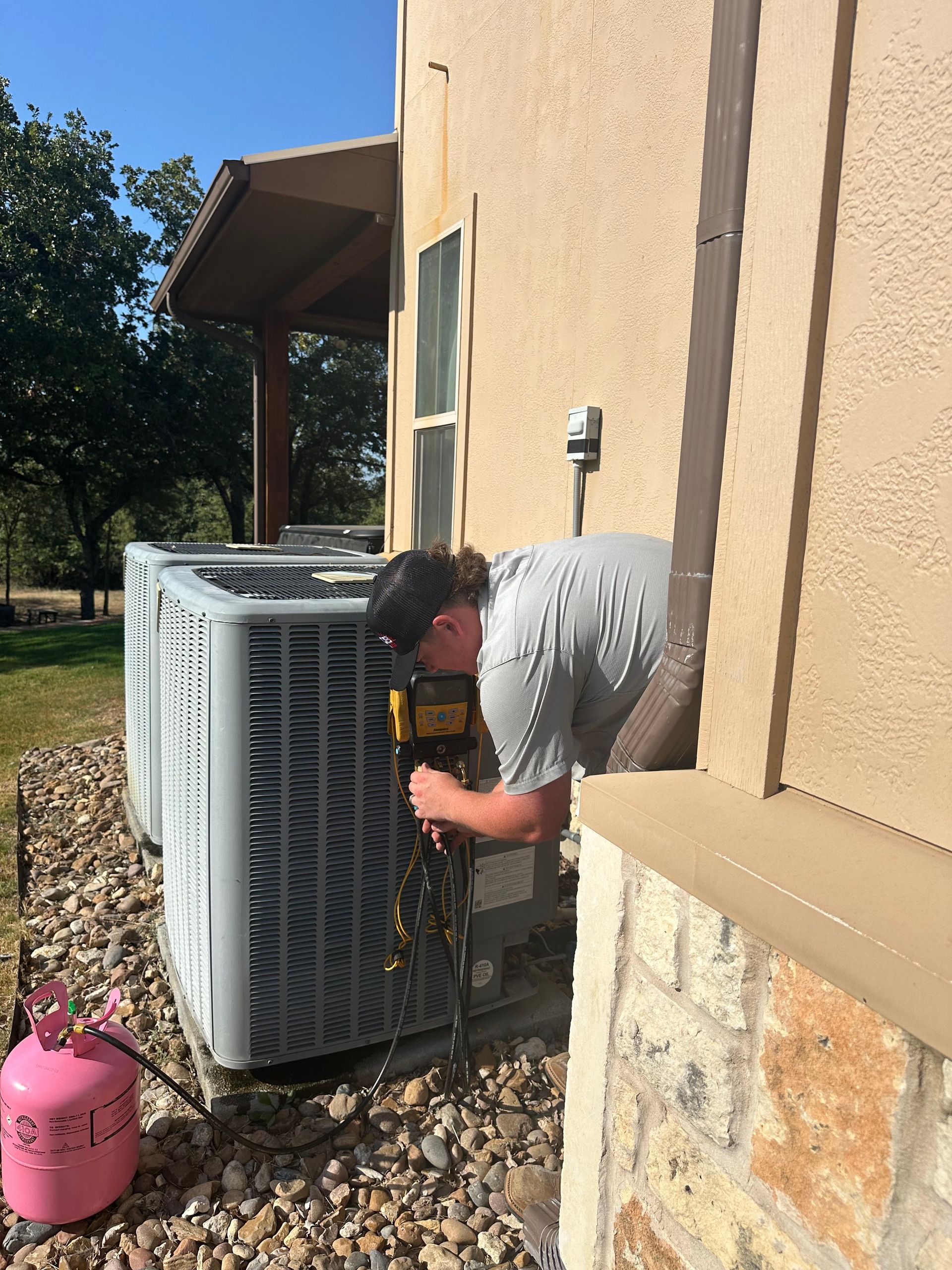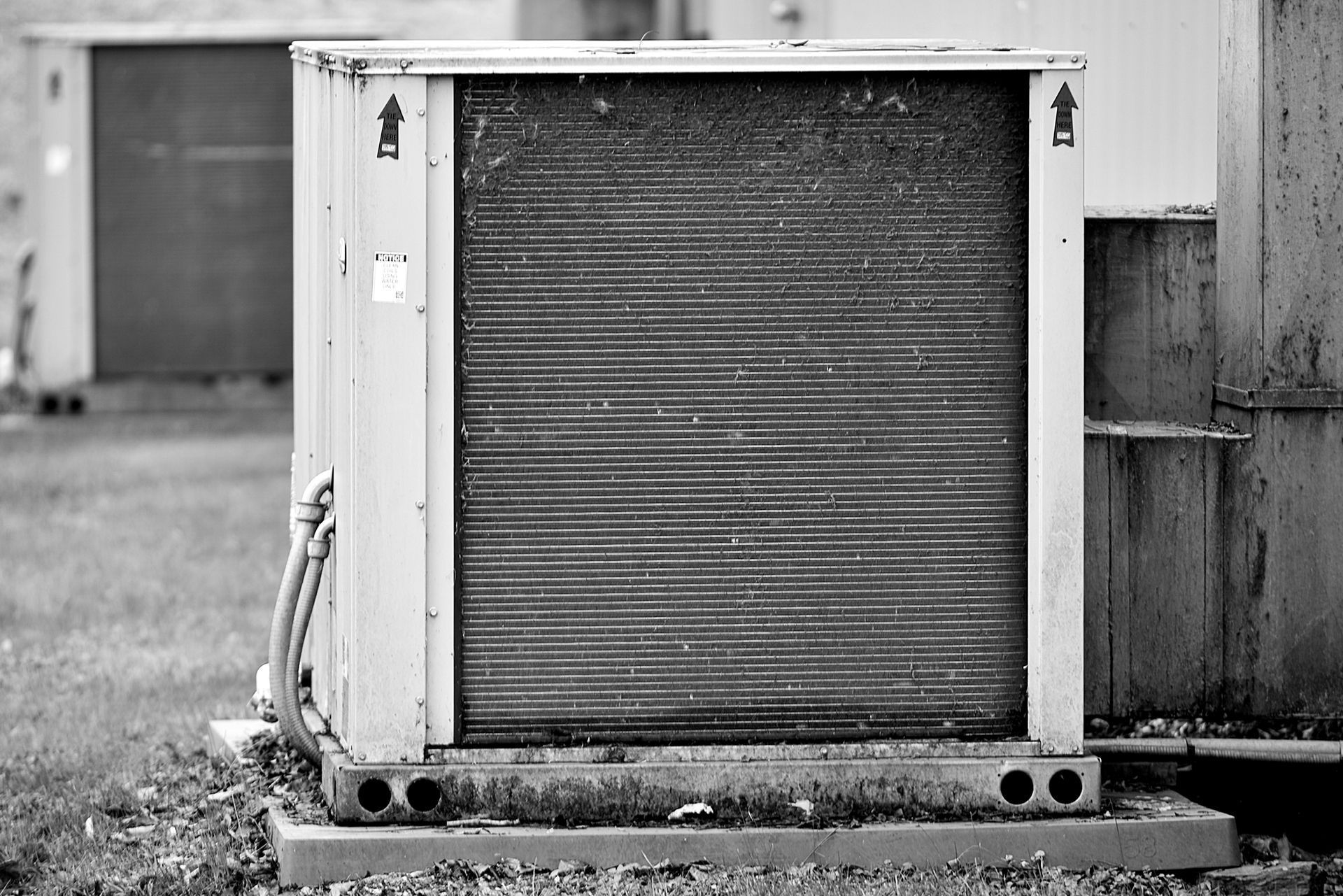

Central Air Conditioner vs Heat Pump: Which Is Right for Your Texas Home?
The central air vs heat pump decision hinges on local climate more than any other factor. In North Texas, summer temperatures exceed 100°F for weeks and winter cold snaps can drop into the teens. CB Air Conditioning and Heating LLC installs and services both system types across Parker County. Our recommendations are based on your home's specific setup.
Here's a belief that costs North Texas homeowners money: heat pumps don't work in cold climates. The truth is that modern heat pumps handle most Parker County winters efficiently, while outperforming gas furnaces on operating cost for much of the heating season. CB AC and Heat has installed both types of systems across Weatherford and the greater Fort Worth area. The right answer depends on your home's setup.
How Each System Actually Works
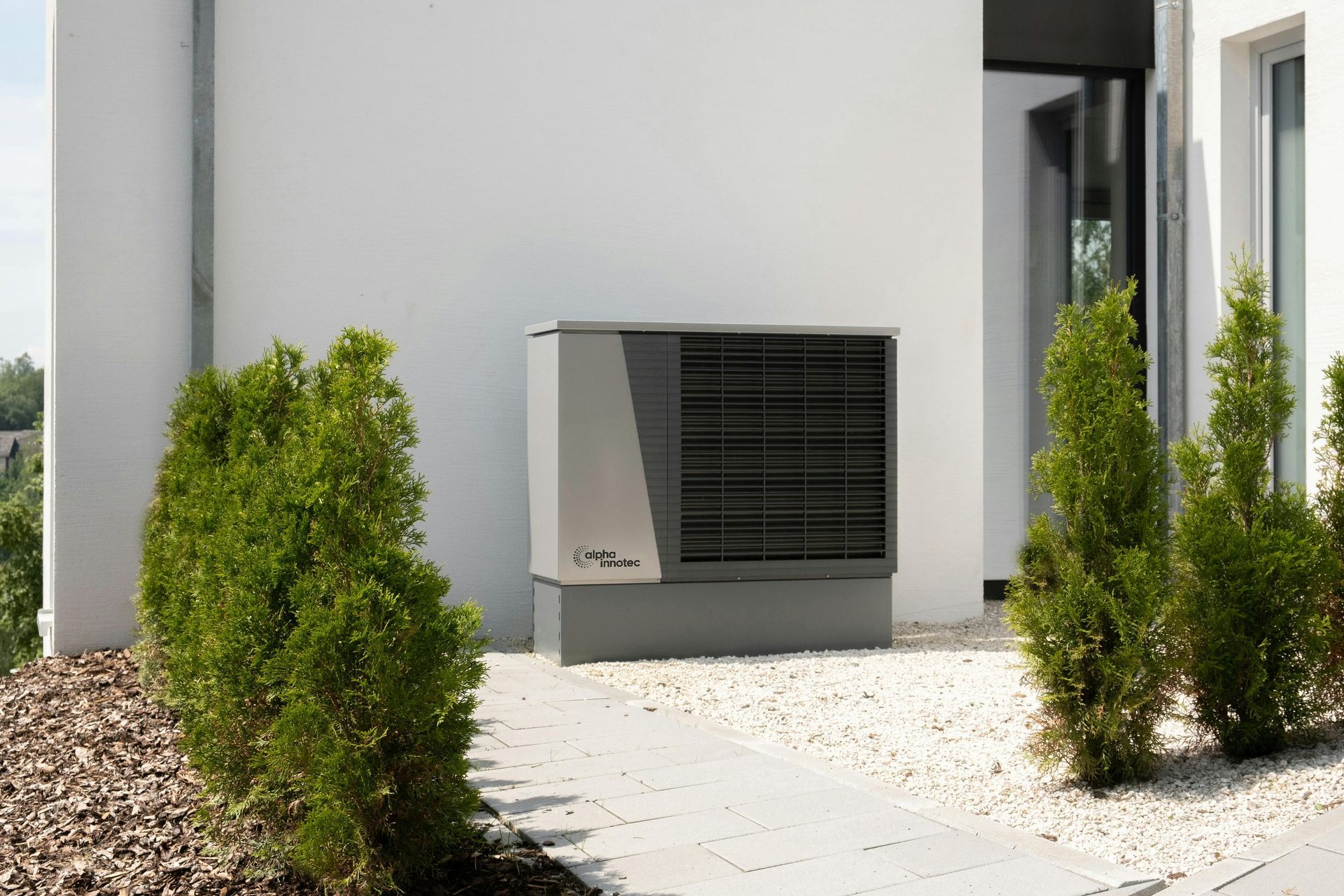
The core difference between these two systems is what drives everything else. A central AC system uses a furnace or air handler for heating and a separate outdoor condenser for cooling. It relies on two distinct mechanical processes and often two fuel sources.
A heat pump handles both with a single outdoor unit by moving heat rather than generating it. In cooling mode, it works identically to a central AC. In heating mode, it reverses the refrigerant cycle to extract heat from outdoor air and transfer it inside.
That distinction—moving heat versus generating it—is why outdoor temperature matters so much when comparing the two. Heat pumps are most efficient when there's enough heat energy in the air to extract, which gets harder as temperatures fall.
Where Central AC Has the Edge in Texas

For sustained cooling through a North Texas summer, a dedicated central AC system handles the load without compromise. When temps sit above 100°F for weeks at a stretch, the dedicated cooling design in a central AC setup doesn't have to split its duties. Pair it with a high-efficiency gas furnace, and Parker County homeowners get fast, forceful heating during cold snaps, which is exactly what you need when temperatures swing from 65°F to 25°F overnight.
Gas furnaces hold a real cost-per-BTU advantage over electric resistance backup heat when temperatures fall below 35°F. For Springtown and Weatherford homeowners who've lived through a North Texas ice storm, that reliability counts. Our full breakdown of AC replacement costs in Texas covers what to budget for either system.
Where Heat Pumps Win in North Texas
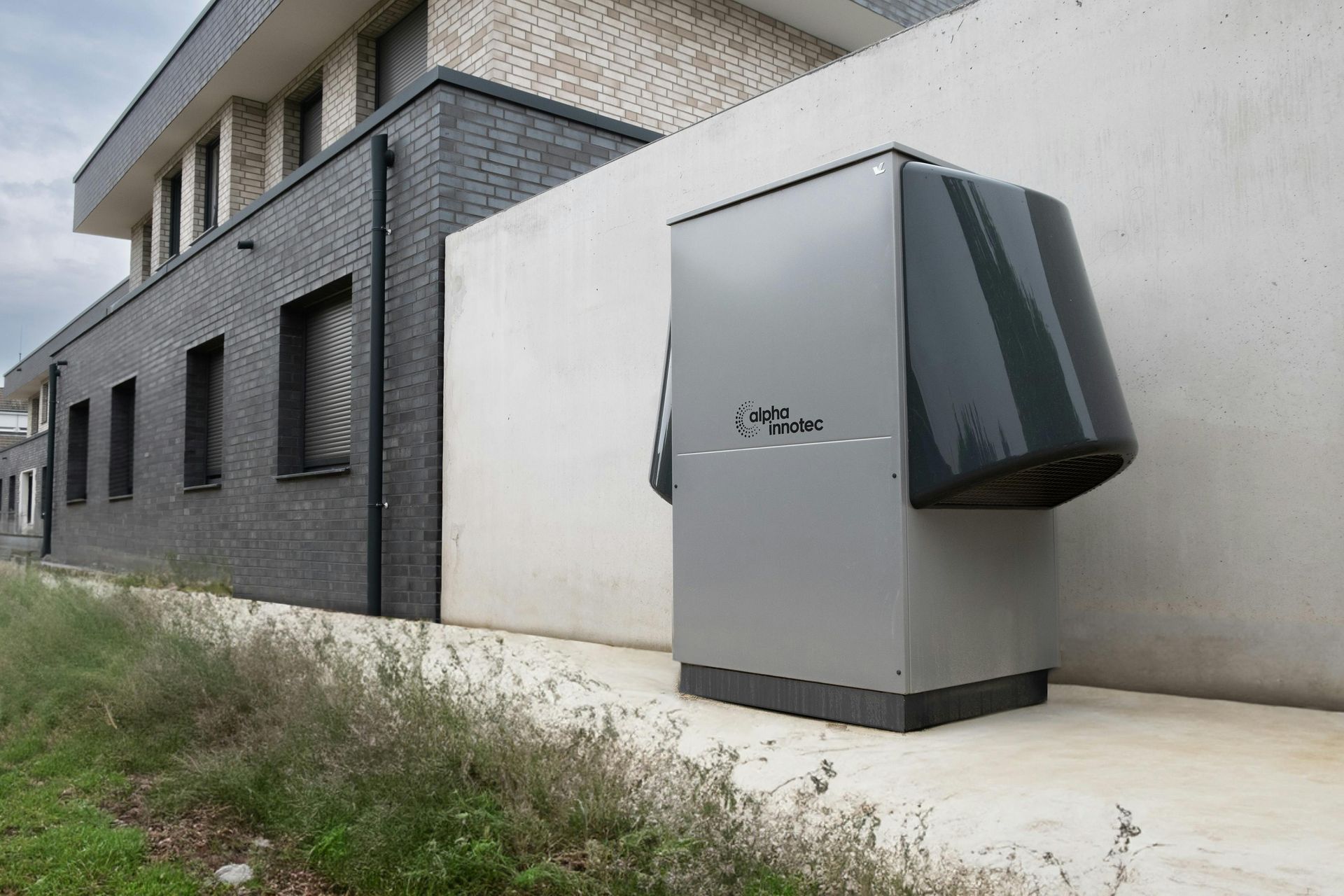
Modern cold-climate heat pumps have changed this conversation. Many current models are rated for efficient operation at temperatures well below what Parker County typically sees. On a mild winter day at 40°F to 50°F, a heat pump delivers 2 to 3 units of heat for every unit of electricity consumed. A gas furnace burns fuel at a fixed rate. That efficiency gap shows up in lower monthly bills during the mild stretches of a North Texas winter, which describes most of the heating season.
Heat pumps also eliminate a separate fuel source entirely, eliminating the need for a gas line, combustion equipment, and the associated carbon monoxide risk. For new construction in Aledo or Willow Park, or for homes replacing aging all-electric systems, getting a heat pump frequently makes the most financial sense. See our guide to how long a heat pump lasts before making a decision.
The Real Deciding Factor: Your Home's Setup
The answer to "central air or heat pump?" in North Texas almost always comes down to four things: the condition of your ductwork, your current fuel source, your home's insulation quality, and your system's age. Replacing only the outdoor unit while keeping a mismatched indoor component is one of the most common causes of an underperforming system, regardless of which direction you go.
CB AC and Heat's heat pump installation and service team evaluates the full system before recommending anything. Homeowners can see what that local service looks like at our Fort Worth HVAC service page.
Frequently Asked Questions
Can a heat pump handle Texas summers as well as a central AC?
Yes. In cooling mode, a heat pump operates like a central air conditioner: same refrigerant cycle, same outdoor condenser design. The performance difference between a properly sized heat pump and a dedicated central AC in cooling is minimal for most North Texas homes.
What happens to a heat pump during a North Texas ice storm?
Heat pumps include an automatic defrost cycle that handles moderate icing. Most modern units perform well through brief freezes. During a sustained multi-day freeze below 10°F, a backup electric resistance strip or gas backup maintains heat. CB AC and Heat factors this into every heat pump installation recommendation.
Is a heat pump more expensive to install than central AC in Texas?
Heat pump installation typically runs $500 to $1,500 more upfront than a comparable central AC system, depending on equipment tier and home size. That gap commonly narrows or disappears over five to seven years through lower operating costs during mild North Texas winters.
Stop Guessing and Get the Right System
Both systems work in North Texas. The right one depends on your home, your fuel source, and your budget. CB AC and Heat gives Parker County homeowners a straight answer before any equipment gets ordered. Book a consultation online or call (817) 341-9505 to talk through your options with a technician who knows our climate.