
Heater Blowing Cold Air? 7 Common Causes for Weatherford Homeowners
If your heater is blowing cold air, the most common culprits are incorrect thermostat settings, a dirty air filter, or an extinguished pilot light. First, check that your thermostat is set to “HEAT” and “AUTO,” not “FAN.” Next, inspect your air filter and replace it if it's dirty. If you have an older gas furnace, check if the pilot light is out. If these simple fixes don't work, the problem could be a clogged condensate line or a dirty flame sensor, which may require professional heating repair.
There are few things more frustrating than expecting a wave of warm air from your vents on a chilly Texas morning, only to be met with a blast of cold. When your heater blows cold air, it's not just uncomfortable; it's a sign that something is wrong with your heating system. Fortunately, many of the most common causes can be identified and fixed with a little troubleshooting.
7 Common Reasons Your Heater Is Blowing Cold Ai
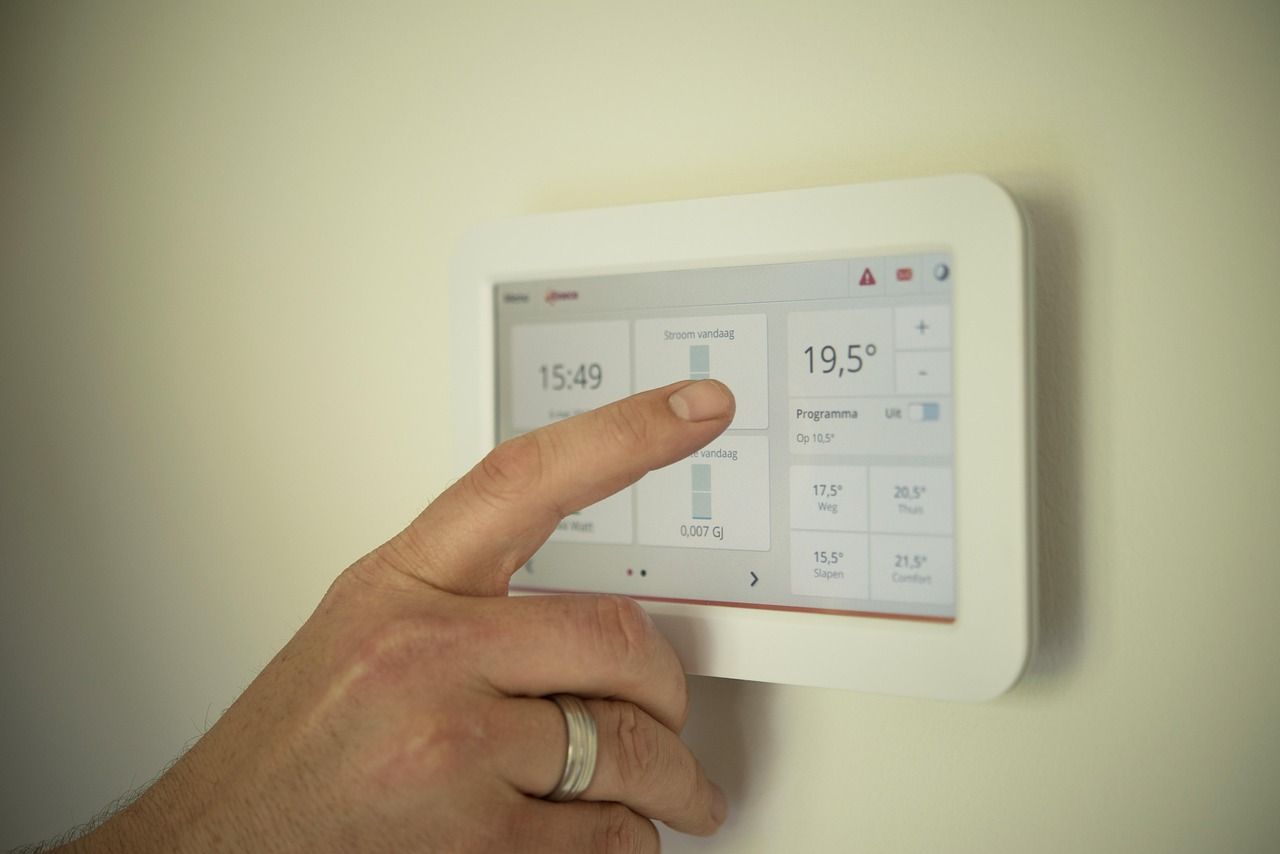
Before you call for a repair, walk through this checklist. At CB Air Conditioning and Heating, we find that many service calls in the Weatherford and Aledo areas can be resolved with these simple checks.
- Incorrect Thermostat Settings: This is the #1 culprit. Ensure your thermostat is set to HEAT, not COOL or OFF. Also, make sure the fan setting is on AUTO, not ON. If the fan is set to ON, it will blow air continuously, even when the furnace isn't heating.
- Dirty Air Filter:
A clogged filter restricts airflow, which can cause your furnace to overheat and shut down its burners as a safety measure. The fan will continue to run, blowing cold air.
Fix: Check your filter and replace it if it's dirty.
- Extinguished Pilot Light:
If you have an older gas
furnace, the pilot light (a small, continuously burning flame) may have gone out.
Fix: Follow the manufacturer's instructions on the furnace panel to safely relight it. If it won't stay lit, you need a professional.
- Clogged Condensate Drain Line:
High-efficiency furnaces produce condensation, which is removed via a drain line. If this line gets clogged, a safety switch will shut off the burners.
Fix: You may be able to clear the clog yourself at the drain trap, but often a professional is needed to properly flush the line.
- Dirty Flame Sensor:
The flame sensor is a safety device that confirms a flame is present when the gas valve is open. If it's dirty, it can't detect the flame and will shut the furnace down.
Fix: This is a job for a professional, as the sensor is delicate and must be cleaned correctly.
- Gas Supply Issue: The gas valve to your furnace may be closed, or there could be an issue with your home's gas supply.
- Fix: Check that the gas valve handle is parallel to the gas line. If other gas appliances aren't working, contact your utility company.
- Heat Pump in Defrost Mode: If you have a heat pump, it may temporarily blow cool air during a defrost cycle to melt ice on the outdoor unit. This is normal. If it persists for more than 10-15 minutes, you may have a problem. Read our guide on heat pump ice buildup for more info.
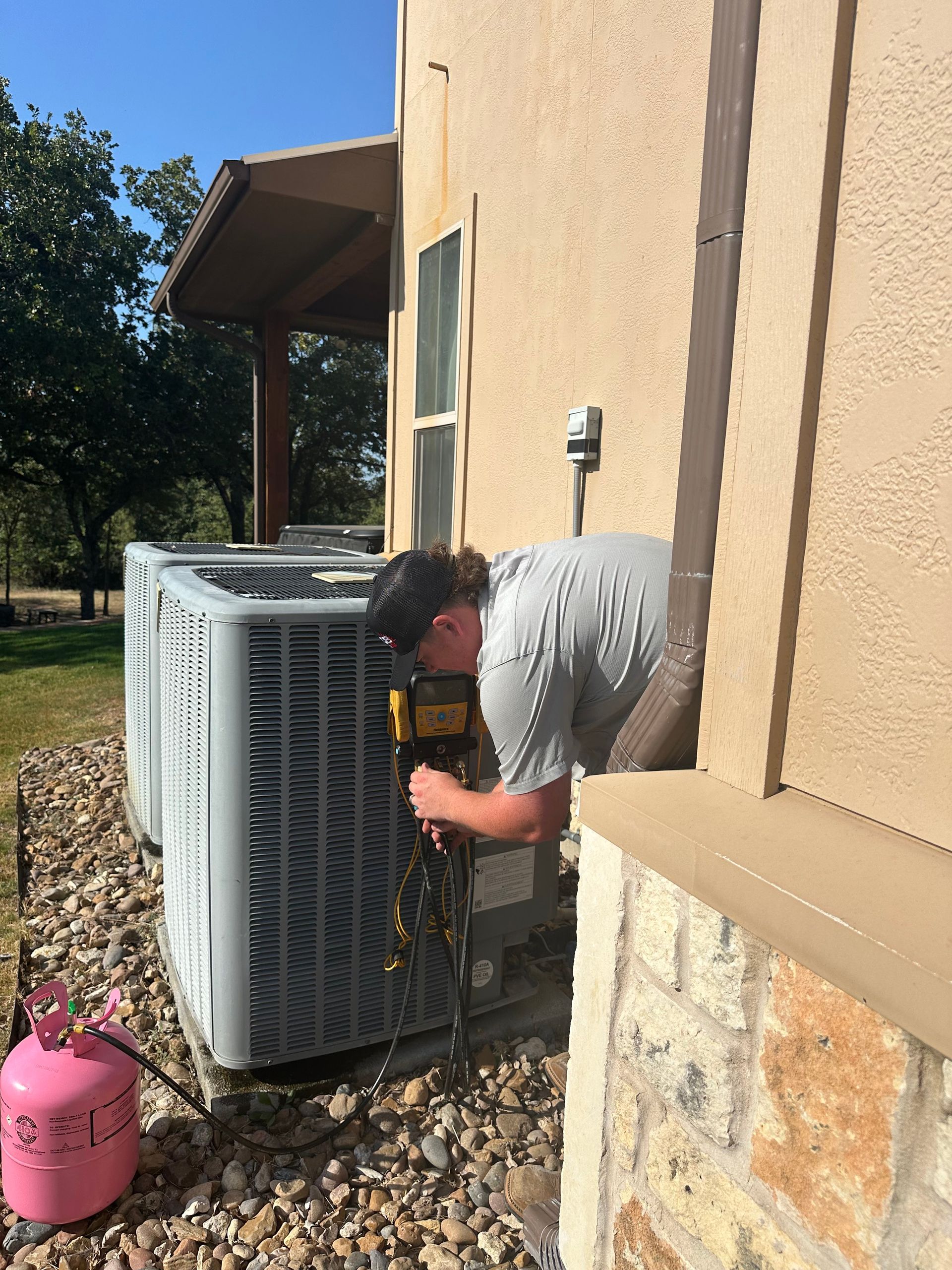
When to Call a Professional for Heating Repair
Prevention is the best strategy. Follow these tips to keep your mini-split mold-free:
- Use the "Dry" or "Fan" Mode: After using the AC, run the fan for 20-30 minutes to dry the internal components.
- Regular Filter Cleaning: Clean your filters every month. It's the single most effective thing you can do.
- Professional Maintenance: Schedule an annual deep cleaning and AC maintenance service. A professional has the tools to safely deep clean the blower wheel and other components that are difficult for homeowners to reach.
- Consider a UV Light: UV-C light systems can be installed in mini-splits to continuously kill mold, bacteria, and viruses.
If you're concerned about your home's air, our air duct cleaning services can also help improve overall air quality. Learn more about cleaning flexible air ducts in our detailed guide.
Frequently Asked Questions
1. Is the black stuff in my mini-split definitely mold?
While it could be just dirt and dust, if it's accompanied by a musty smell, it is very likely mold. It's always best to treat it as mold to be safe.
2. Can I use bleach to clean my mini-split?
We do not recommend using bleach. It can damage the sensitive components of your unit and produce fumes that are harmful to inhale in an enclosed space. A vinegar solution is safer and more effective.
3. How often should I have my mini-split professionally cleaned?
We recommend a professional deep cleaning at least once a year, especially in our humid Texas climate. If you have allergies or notice mold returning quickly, you may need it more often. This is a key part of our recommended HVAC servicing.
Breathe Easier with a Clean Mini-Split
Don't let mold compromise your home's air quality. With regular maintenance and proper cleaning, you can enjoy the efficiency of your mini-split system without the health risks. For a thorough, professional cleaning, trust the experts at CB Air Conditioning and Heating to get the job done right.
Concerned about mold in your mini-split?
Contact us today,
book a service appointment, or call (817) 341-9505 to schedule a professional deep cleaning and inspection in the Weatherford area. Check our
special offers for savings on cleaning services.