
Mold in Mini Split? Here’s How to Clean It Safely in Your Weatherford Home
If you notice a musty smell or see black spots on your mini-split unit, you likely have a mold problem. Mold in a mini-split is caused by the moisture that condenses on the cold evaporator coils during operation. To clean it safely, turn off the power, clean the filters with soap and water, and use a commercial mini-split cleaning kit or a 50/50 vinegar-water solution to spray and wipe down the coils and blower wheel. For severe mold, a professional deep cleaning is necessary to protect your health and your system. Regular filter cleaning and running the fan for 20-30 minutes after cooling can help prevent future growth.
Ductless mini-split systems are a fantastic, energy-efficient solution for cooling homes in Weatherford, but their dark, damp internal environment can be a perfect breeding ground for mold. When mold grows in your unit, it doesn't just produce a foul odor; it blows spores directly into the air you breathe, which can trigger allergies, asthma, and other respiratory issues. At CB Air Conditioning and Heating, we want to empower homeowners to identify and safely address this common problem.
Why Mini-Splits Are Prone to Mold
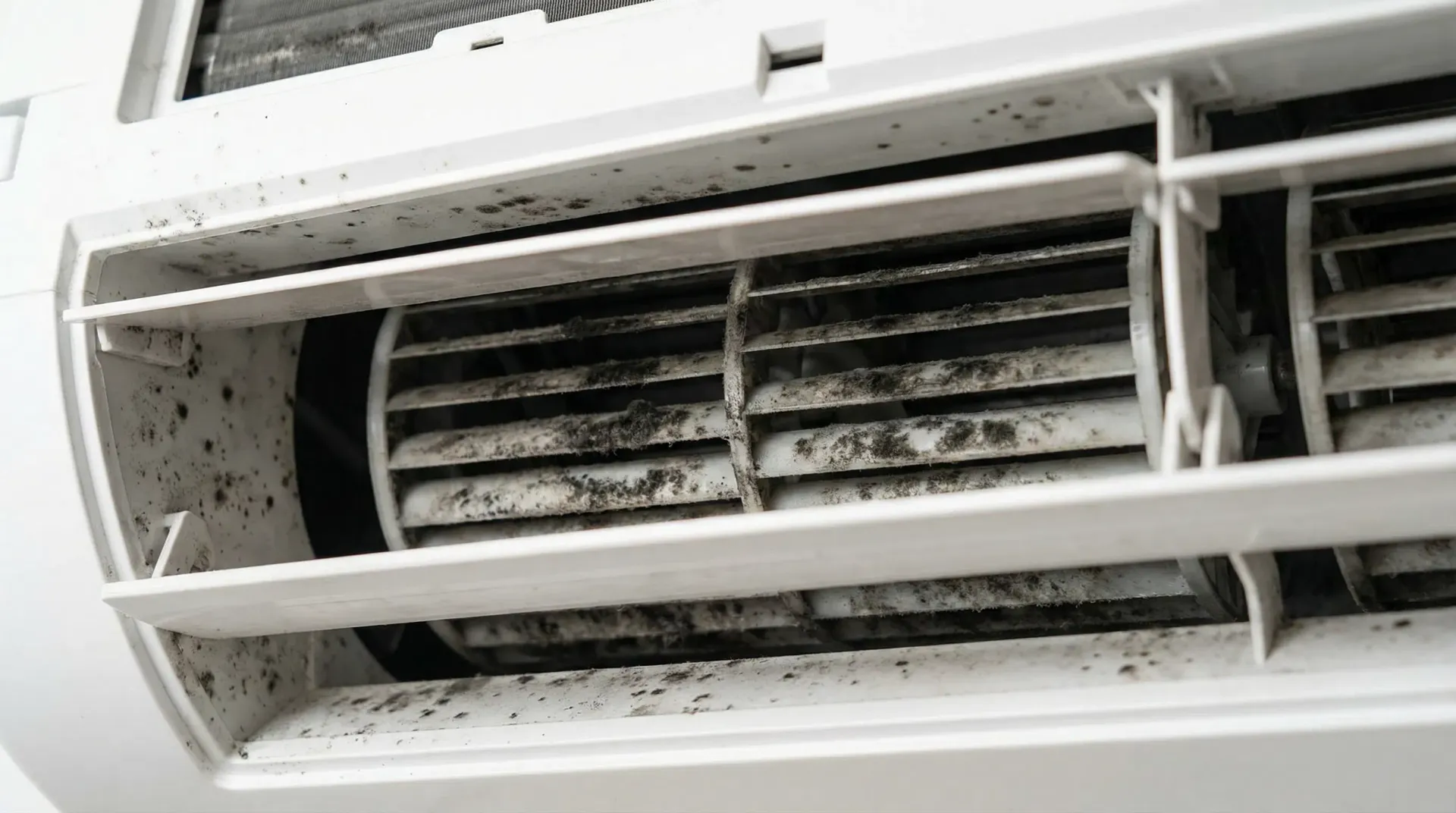
The cooling process itself creates ideal conditions for mold growth. As your mini-split pulls warm, humid air from your room, moisture condenses on the unit's cold evaporator coils. This moisture, combined with dust and organic particles that get past the filter, creates a food source for mold spores. In our humid North Texas climate, this process can happen quickly if the unit isn't properly maintained.
A Step-by-Step Guide to Cleaning Mold Safely
For light mold, a DIY cleaning can be effective. However, always prioritize safety. If you have severe mold or are sensitive to it, call a professional for AC repair. You can also reference our guide on how to clean your air conditioning unit for related maintenance tips.
- Power Down: Turn off the unit at the thermostat and shut off the corresponding circuit breaker. This is a critical safety step to prevent electrical shock.
- Clean the Filters: Open the front panel, remove the mesh filters, and wash them with warm, soapy water. Let them dry completely. This should be done monthly to prevent dust buildup.
- Access the Coils: With the filters out, you should be able to see the evaporator coils. Be careful not to bend the delicate metal fins on the coils.
- Apply Cleaning Solution: Use a commercially available mini-split cleaning spray or a 50/50 solution of white vinegar and water in a spray bottle. Liberally spray the coils and the blower wheel (the cylindrical fan deep inside the unit). Wear gloves and safety glasses to protect yourself from mold spores and cleaning solution.
- Wait and Wipe: Let the solution sit for 10-15 minutes to break down the mold. Use a soft brush and cloth to gently wipe away the residue. The condensate drain will carry away much of the liquid. Do not use harsh chemicals or scrub too hard.
- Reassemble and Dry: Once clean and dry, reinsert the filters and close the panel. Restore power and run the unit in "Fan Only" mode for 30 minutes to help dry it out completely. This final drying step is crucial to prevent mold from immediately returning.
How to Prevent Mold from Coming Back
Prevention is the best strategy. Follow these tips to keep your mini-split mold-free:
- Use the "Dry" or "Fan" Mode: After using the AC, run the fan for 20-30 minutes to dry the internal components.
- Regular Filter Cleaning: Clean your filters every month. It's the single most effective thing you can do.
- Professional Maintenance: Schedule an annual deep cleaning and AC maintenance service. A professional has the tools to safely deep clean the blower wheel and other components that are difficult for homeowners to reach.
- Consider a UV Light: UV-C light systems can be installed in mini-splits to continuously kill mold, bacteria, and viruses.
If you're concerned about your home's air, our air duct cleaning services can also help improve overall air quality. Learn more about cleaning flexible air ducts in our detailed guide.
Frequently Asked Questions
1. Is the black stuff in my mini-split definitely mold?
While it could be just dirt and dust, if it's accompanied by a musty smell, it is very likely mold. It's always best to treat it as mold to be safe.
2. Can I use bleach to clean my mini-split?
We do not recommend using bleach. It can damage the sensitive components of your unit and produce fumes that are harmful to inhale in an enclosed space. A vinegar solution is safer and more effective.
3. How often should I have my mini-split professionally cleaned?
We recommend a professional deep cleaning at least once a year, especially in our humid Texas climate. If you have allergies or notice mold returning quickly, you may need it more often. This is a key part of our recommended HVAC servicing.
Breathe Easier with a Clean Mini-Split
Don't let mold compromise your home's air quality. With regular maintenance and proper cleaning, you can enjoy the efficiency of your mini-split system without the health risks. For a thorough, professional cleaning, trust the experts at CB Air Conditioning and Heating to get the job done right.
Concerned about mold in your mini-split?
Contact us today,
book a service appointment, or call (817) 341-9505 to schedule a professional deep cleaning and inspection in the Weatherford area. Check our
special offers for savings on cleaning services.